How It Works

A distributed logistics flow built around movement

Our system is not based on one central warehouse doing every step. It is built around a distributed courier network that moves goods, returns, packages, mail and documents through the right process with fewer delays.
The core idea is simple: receive, check, route and move forward.
For businesses, that means products can move from sellers or suppliers into outbound delivery, returns processing or cross-docking without unnecessary warehouse bottlenecks.
For individuals, that means packages, mail and documents can enter the system through a local address and then be forwarded, scanned, stored or routed to the right destination.
Step 1: Pickup or receiving

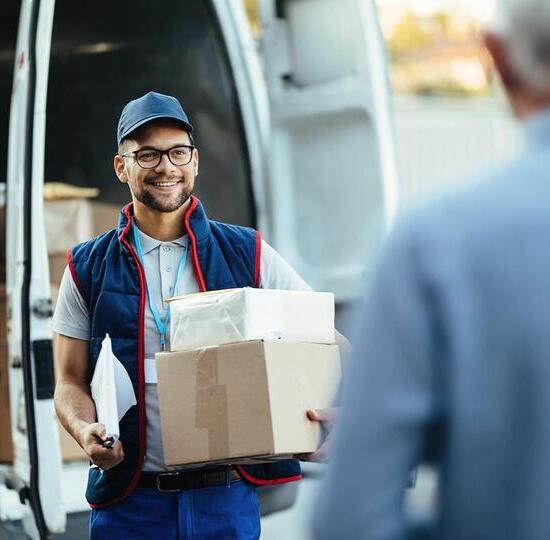
Everything starts with entry into the system. For businesses, a courier can pick up goods from a seller, supplier, storage point or agreed location. For returns, a courier can collect the returned item from the customer or return point. For individuals, packages, letters and documents can arrive at a local U.S. address. This first step replaces slow, traditional intake. The item enters the flow as early as possible.

Step 2: Check or register the item

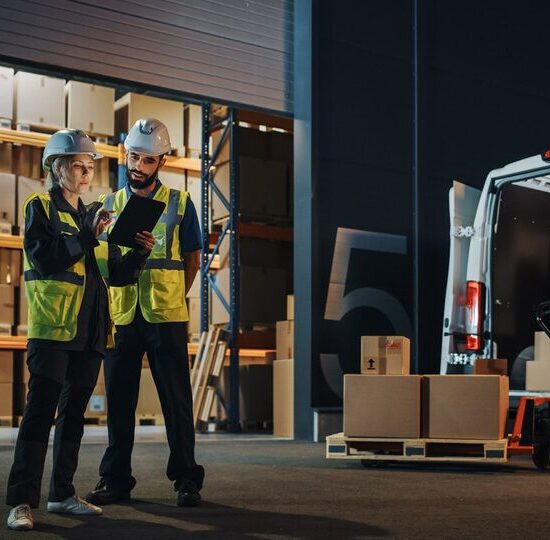
After pickup or receiving, the item is checked or registered. For goods, this may include quantity check, visible condition check and matching the product with the provided details. For returns, the item is checked to decide whether it can go back to sale or should move to reconditioning. For mail and documents, the incoming item is registered and prepared for the next action. This stage is designed to be practical and fast. It is not a slow warehouse intake process.

Step 3: Decide the next route

Once the item enters the system, the next route is selected. A product may move to outbound delivery, cross-docking, returns processing, storage, forwarding or optional prep support. A returned item may go back to sale or move to reconditioning. A package may be forwarded internationally. Mail or documents may be scanned, forwarded or stored until the client returns. The route depends on the task, not on a fixed warehouse process.

Step 4: Move forward

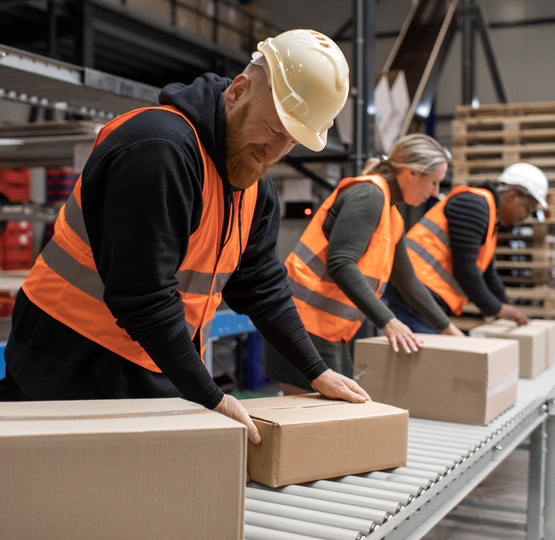
The final stage is movement. Products can be delivered to a customer, pickup point, transportation company or fulfillment destination. Cross-docking moves goods directly from receiving to outbound without storage. Forwarding sends purchases, mail or documents to the client’s current location. The purpose is clear: once an item is ready, it should keep moving.

How It Works

For business clients

The business flow can include:

  • Inbound pickup from seller or supplier
  • Basic product check
  • Outbound delivery to customer, pickup point or carrier
  • Returns pickup and sorting
  • Reconditioning route for damaged goods
  • Cross-docking for fast movement without storage
  • Optional FBA Prep support when marketplace preparation is needed
How It Works

For individual clients

Individuals use the system to access U.S. shopping, mail handling and international forwarding.

The individual flow can include:

  • Local U.S. address for purchases and mail
  • Package receiving and registration
  • Mail and document receiving
  • Document scanning
  • International forwarding
  • Storage until the client is ready
  • Routing to the current location of the client

Traditional logistics often adds too many steps before an item actually moves:

  • warehouse intake
  • waiting
  • manual sorting
  • delayed routing
  • repeated handling

Our flow removes friction with a simpler path: pickup, check, route, and move. Fewer steps and better control at every stage.

The same system can handle different item types without forcing them into separate workflows:

  • Products from sellers and suppliers
  • Customer orders ready for delivery
  • Returned goods and resale items
  • Cross-docking shipments
  • Packages, mail, and documents

Each item follows the same logic: receive, check, route, and move without unnecessary handling.

The distributed model is designed to improve speed, clarity, and control across the full logistics chain:

  • Less dependency on one central warehouse
  • Faster movement of goods and packages
  • Clearer routing decisions
  • Better control for businesses and individuals
  • One system for fulfillment, forwarding, and mail handling

Instead of forcing every task through one fixed warehouse path, the system adapts the route to the real job and keeps items moving with fewer delays.

No. The model is built around a distributed courier network, not one central warehouse.

The main process is pickup, check, route and move.

Online stores, sellers, marketplaces, suppliers, international shoppers, expats and travelers can use it.

Yes. Products can move through outbound delivery to a customer, pickup point or transportation company.

Yes. Returns can be picked up, checked and routed back to sale or reconditioning.